Introduction
This post reprises a tour of an eclectic mix of sites on Orkney, Scotland from the Neolithic period through to WW2. There were three Neolithic sites, local craft shops at Dounby, a Type 45 Destroyer of the British Navy and a unique chapel.. The day was rounded off by witnessing a Scottish Pipe Band in the centre of Kirkwall.
Information on the tour of Orkney, Scotland
Our first call was Skara Brae Neolithic Village which dates from between 3,200 and 2,500 BC.
Skara Brae


Skara Brae

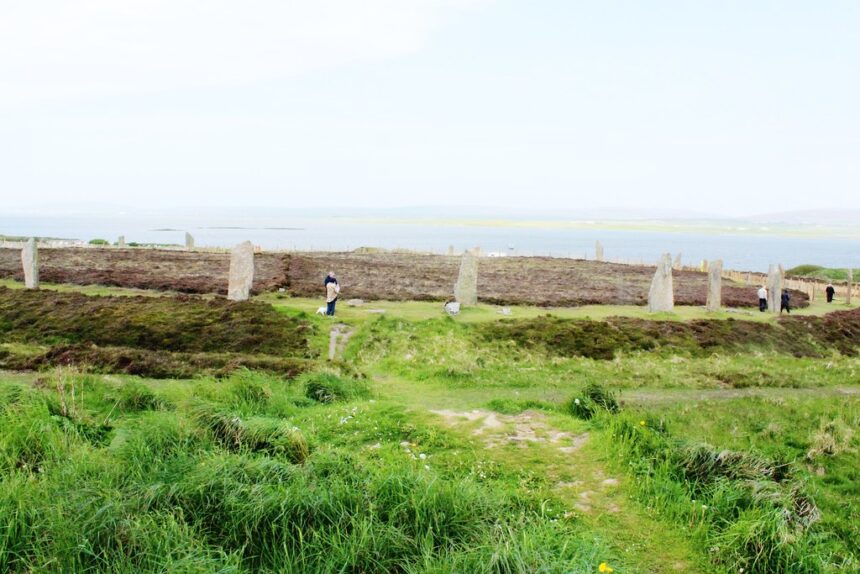
Our next visit was to the Ring of Brodgar which dates from 2,500 to 2,000 BC. The stone ring was built in a true circle, 104 metres wide and originally contained sixty megaliths. However, only only twenty-seven of the stones remain today.
Video clip of Ring of Brodgar, Orkney, Scotland.

Ring of Brodgar, Orkney, Scotland.
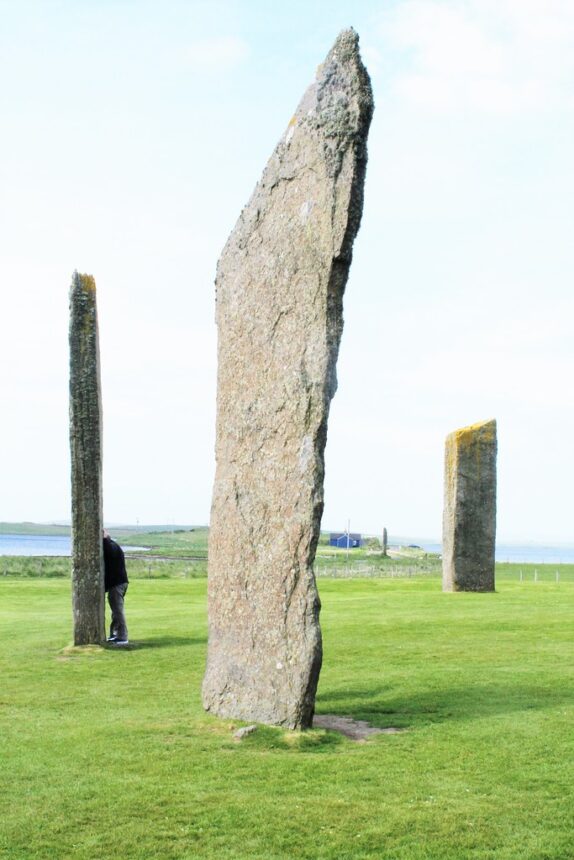
Next to the Stones of Stennes which make up a a small circle dating from the third millennium BC. It originally consisted of twelve stones. The Watchstone and Barnhouse stone are also nearby.

Standing Stones of Stennes, Orkney.
Next to Dounby to visit craft shops. We had a light lunch here also.

Craft shop, Orkney
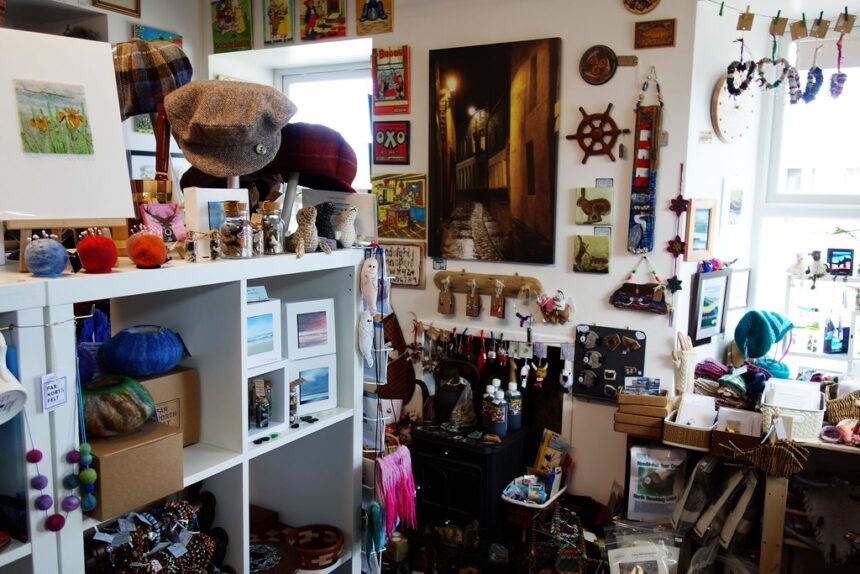

Pottery, Orkney.

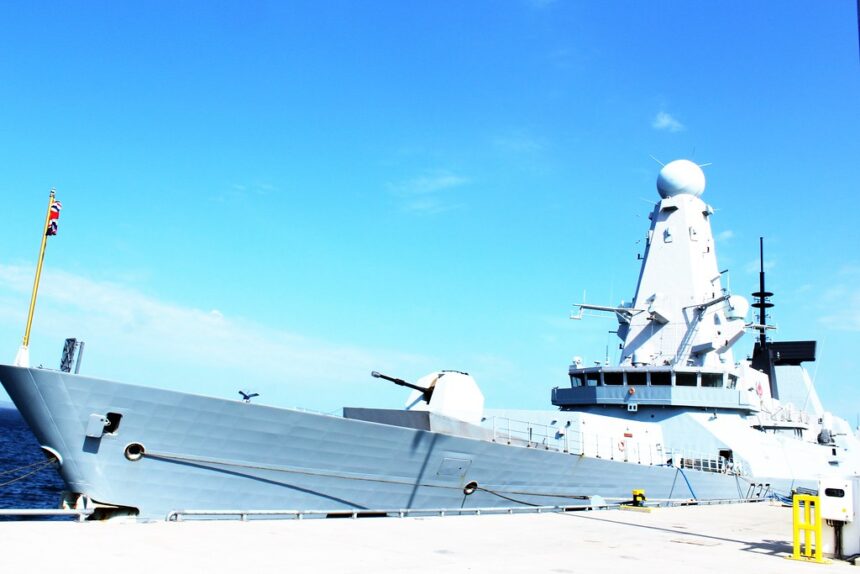
At Kirkwall we encountered British and German navy ships in port. These vessels were to commemorate the centenary of the battle of Jutland in WW1 at which many lives were lost.

H.M.S.Duncan at Kirkwall, Scotland
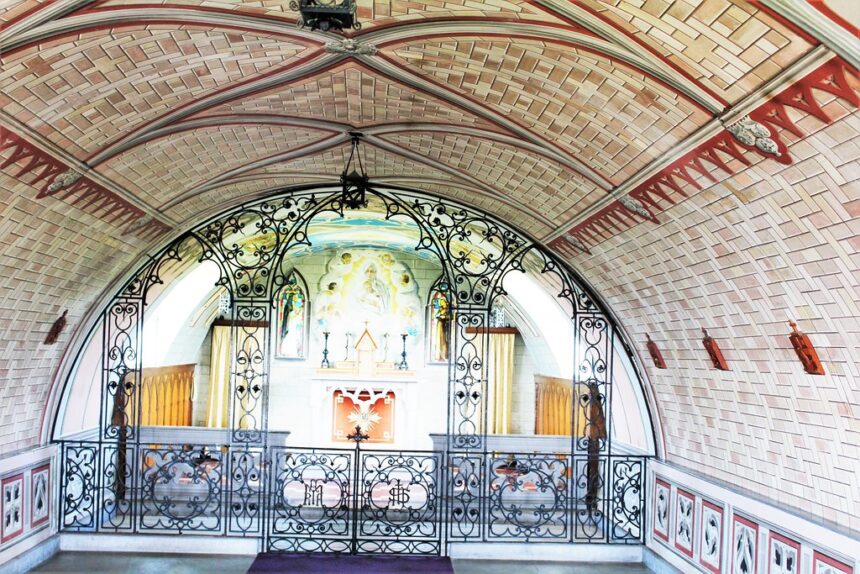
Next to the Italian Chapel at Lamb Holm. This is an impressive Roman Catholic Chapel which was constructed by Italian prisoners of war during World War Two.

Italian Chapel, Scapa, Scotland


Italian Chapel, Scapa, Orkney, Scotland
Finally, we returned to Kirkwall in time to witness the local pipe band performing by the harbour.
Kirkwall City Pipe Band, Orkney, Scotland.
More information
The publication Visitors’ Guide to Scotland includes sections on islands, wildlife, prehistory and much more. ISBN is 978-1-9161 332-0-4. Also available via Kindle..