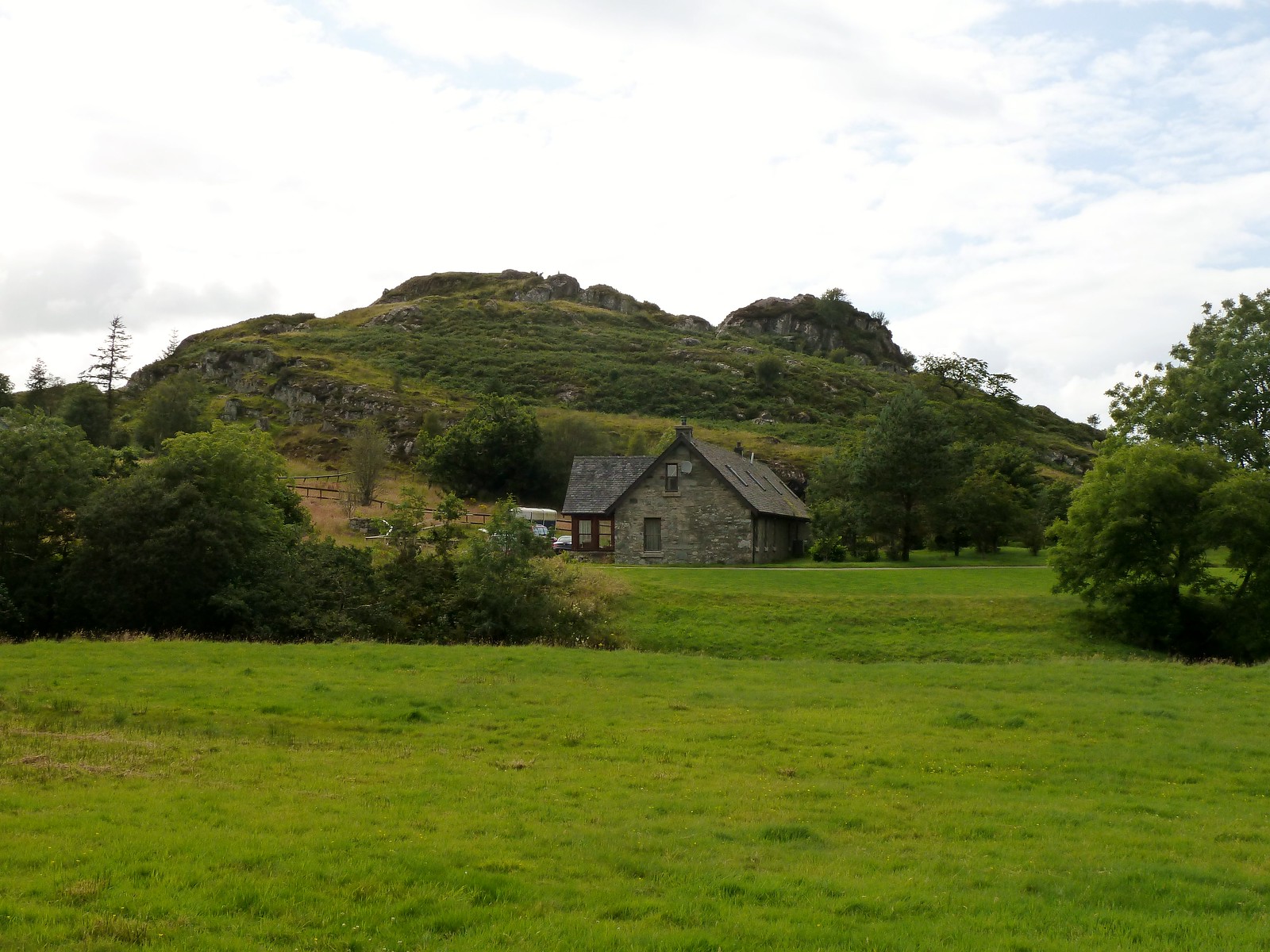
This evening, I am posting information on Dunadd Hillfort, an important site in the progressive domination of what is now Scotland by a tribe known as the Scotti who came from Ireland during the 5th-6th centuries AD. It took the Gaelic speaking Scots about 350 years to acquire political control of most of Scotland.
Dunadd is located in the southern part of Kilmartin Glen which contains a vast prehistoric linear cemetery (comprising stone circles, henges and burial cairns) dating back to around 3000BC.
Nearest major town is Oban on the West of Scotland, about 33 miles to the north.
Summary information on Dunadd:
- Probably translates as ‘Fort on the River Add’. ( Dun=Fort and Add= the local River Add.)
- Archaeology has dated occupation to between the 6th and 10th centuries AD.
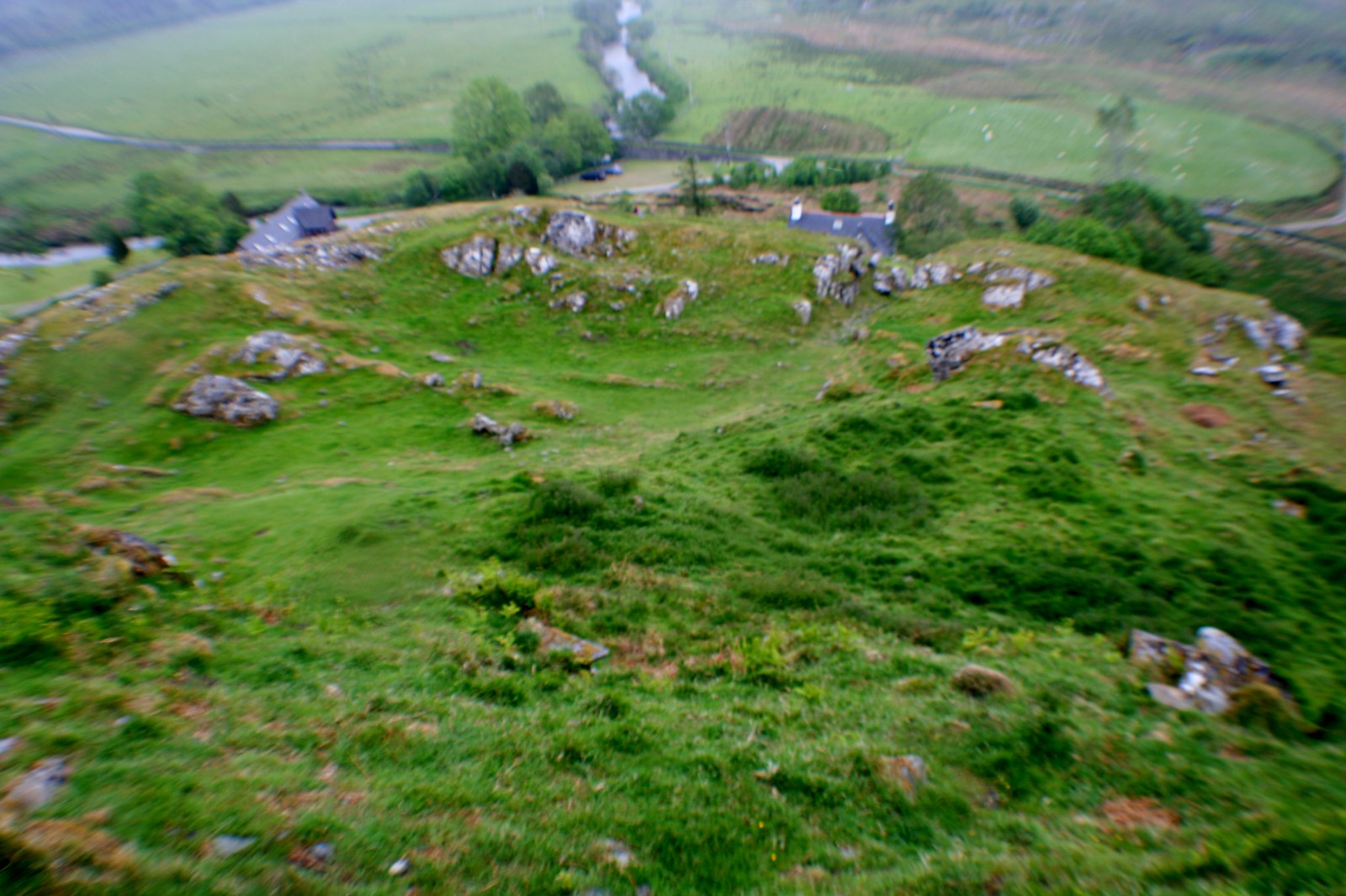
- The rocky hill (illustrated above) upon which the fort sits is located on one of the last remaining raised bogs in Scotland. It is possible the site may once have been an island thus facilitating communications with Ireland by boat.
- Archaeological finds point to a high status and important site. There is evidence of fine metal working, importation of luxury goods and intriguing carvings.
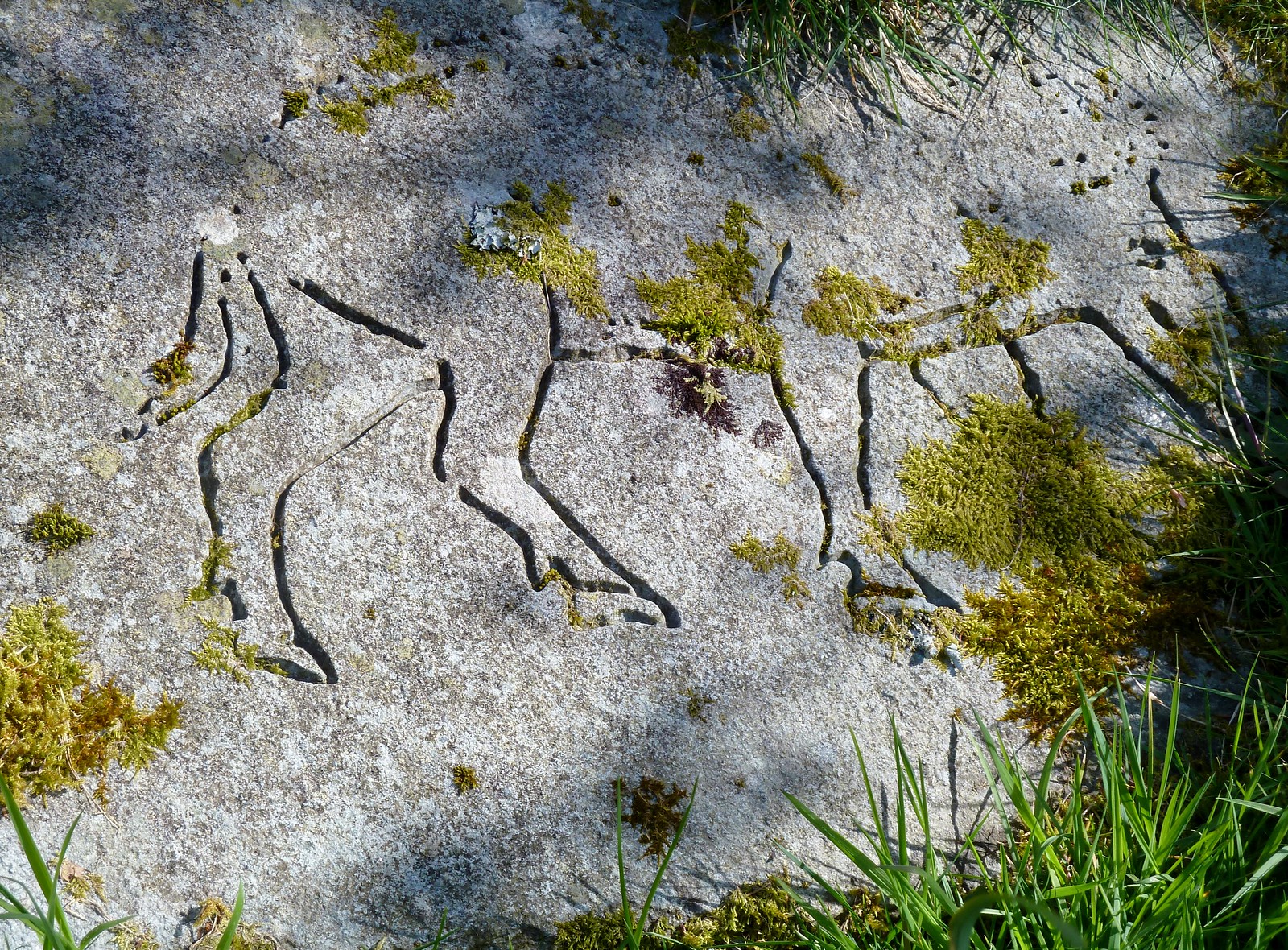
- The carvings comprise a boar, an inscription in ogham (an early form of writing), a rock cut basin and carved footprint. The latter may have used in inauguration ceremonies.
- Entrance is free but to reach the top entails navigating a rough track which is steep in places and may present challenges to some persons.
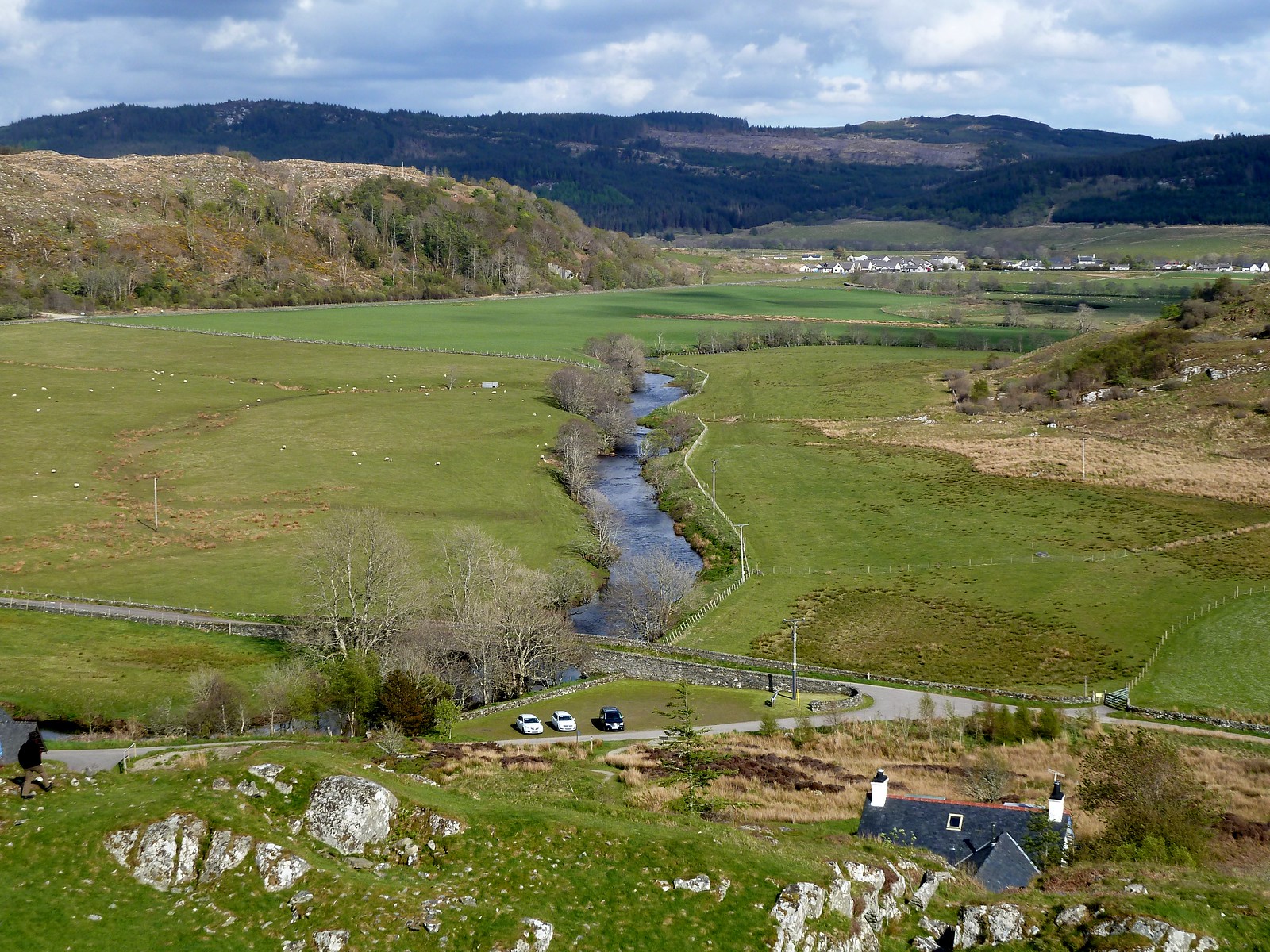
River Add and local landscape viewed from top of Dunadd.
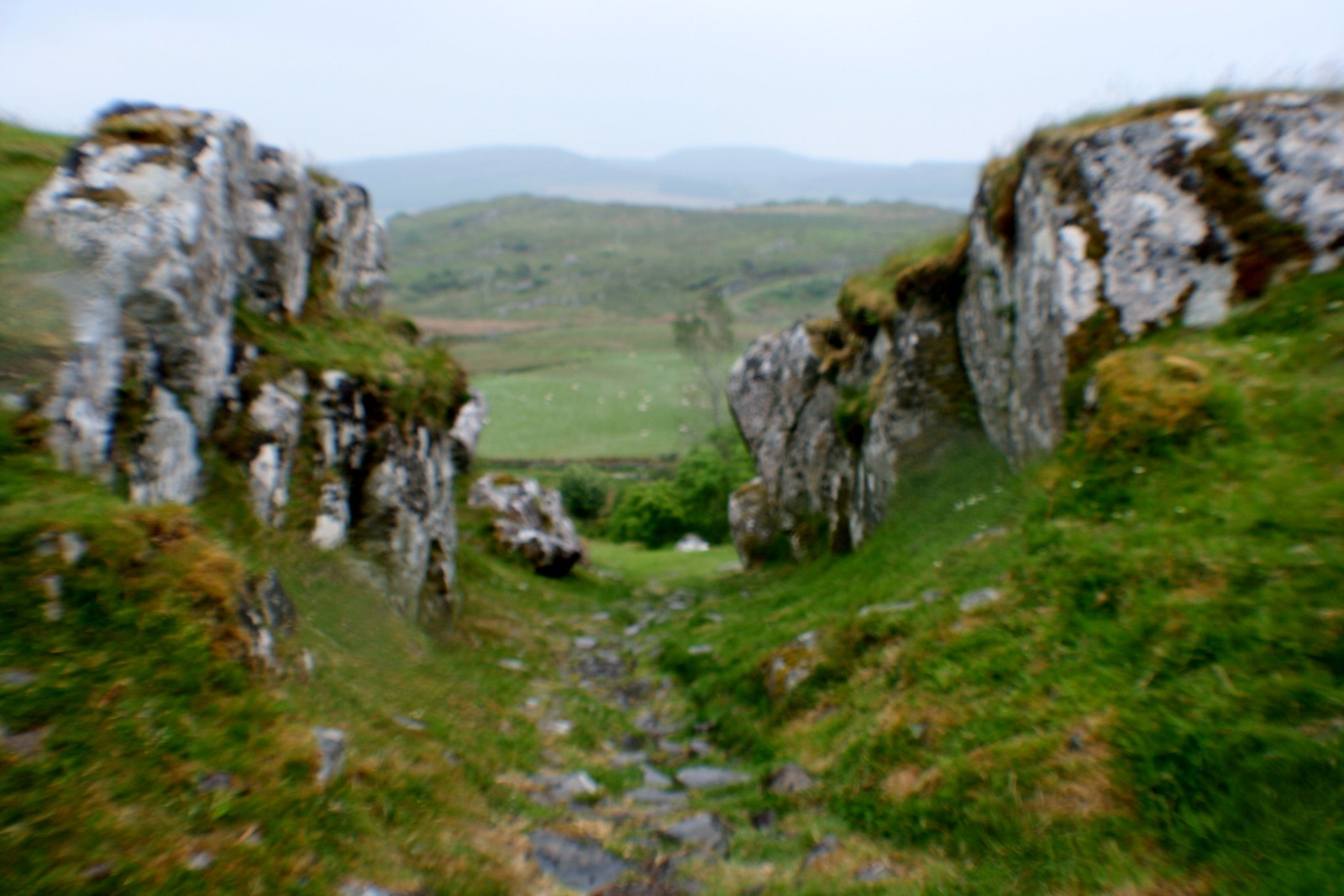
Main entrance
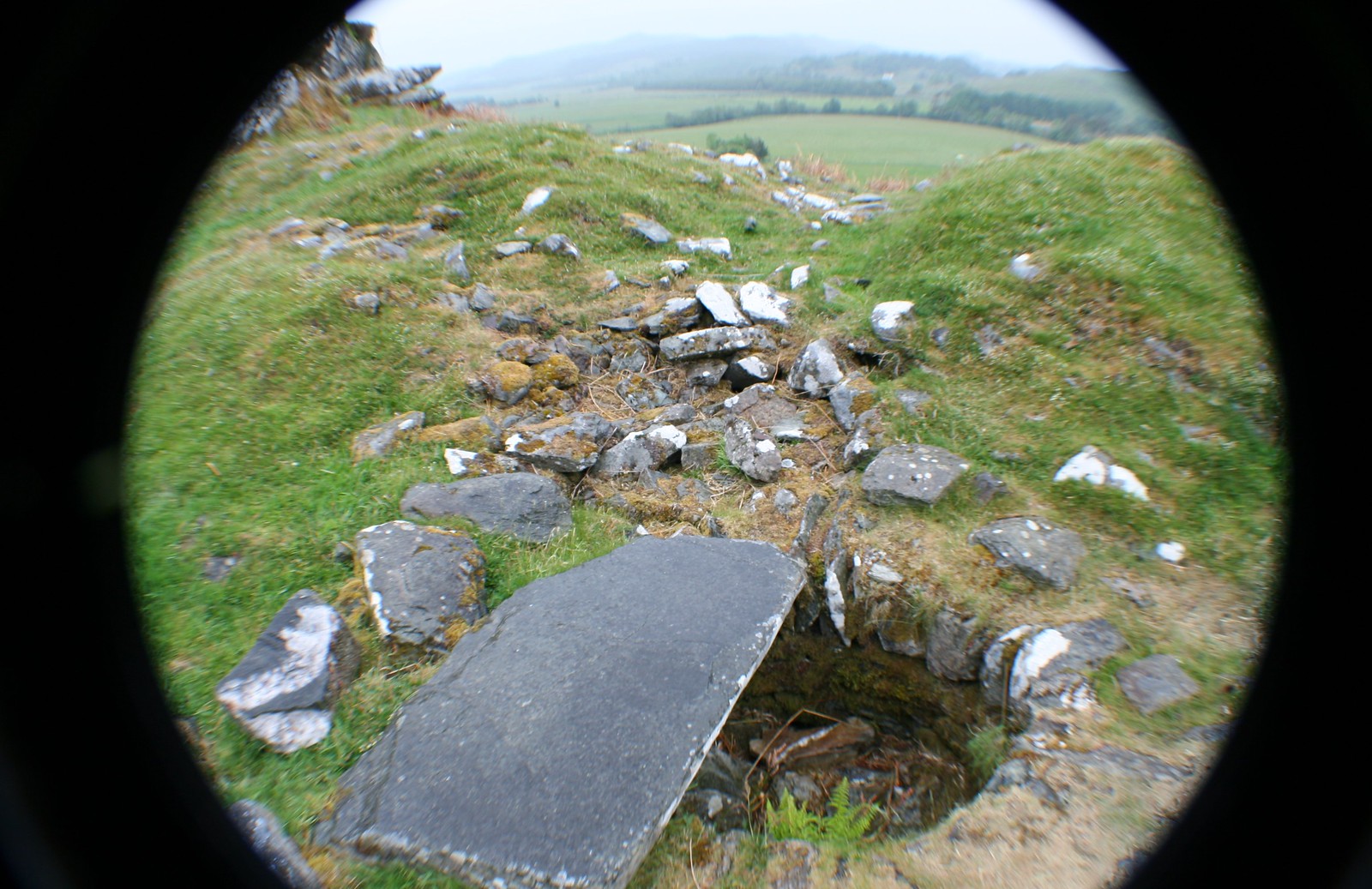
Site of well atop fort.
View south for atop fort.
Carving of boar.
Carved footprint.

More Information
For more information on Kilmartin Glen and other prehistoric sites in Scotland such as Orkney refer publication Visitors’ Guide to Scotland, ISBN 978-1-9161332-0-4. This publication is also available via Kindle.