Introduction
This evening, I am reporting on a visit to Loch Lomond, the largest fresh water lake in the British Isles. I used the village of Luss as a base.

Highland Cows

Information on Loch Lomond-Part 1
Luss is a Gaelic word meaning ‘herb’ or ‘plant’.
Weather was windy with rain in the air. Water was so choppy that even the ducks and swans remained on the shore.
In addition to exploring Luss and its environs I joined a 90 minute boat trip.This toured the eastern end of the Loch and its various islands.
As will be evident from images below, I encountered a variety of interesting sights and sites. These including curly horned sheep, Highland Cows, Fallow Deer, a wedding, piper, lots of landscapes and Luss Church. I also saw Ross Dhu Mansion (seat of chief of Clan Colquhoun), Conic Hill and the village of Aldochlay.

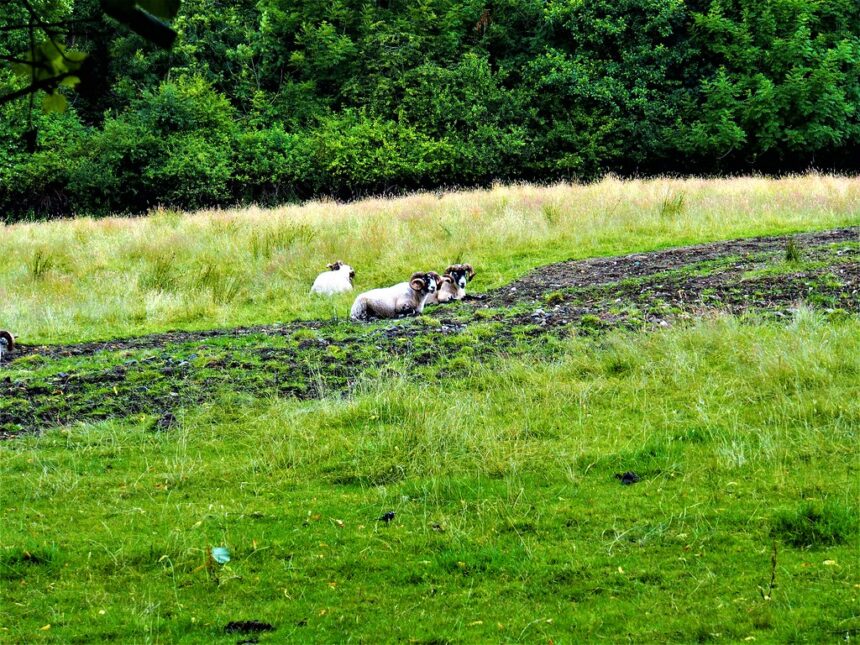
Curly Horned Sheep.

Wedding at Luss Church.


Luss Parish Church. This is built on an ancient Christian site dating back about 1500 years.
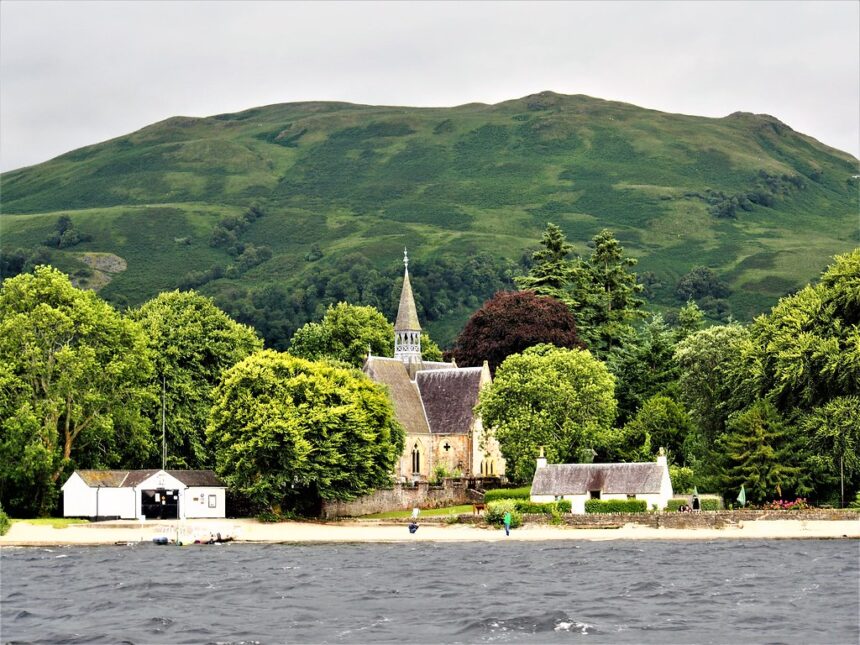

Loch Lomond scenery.

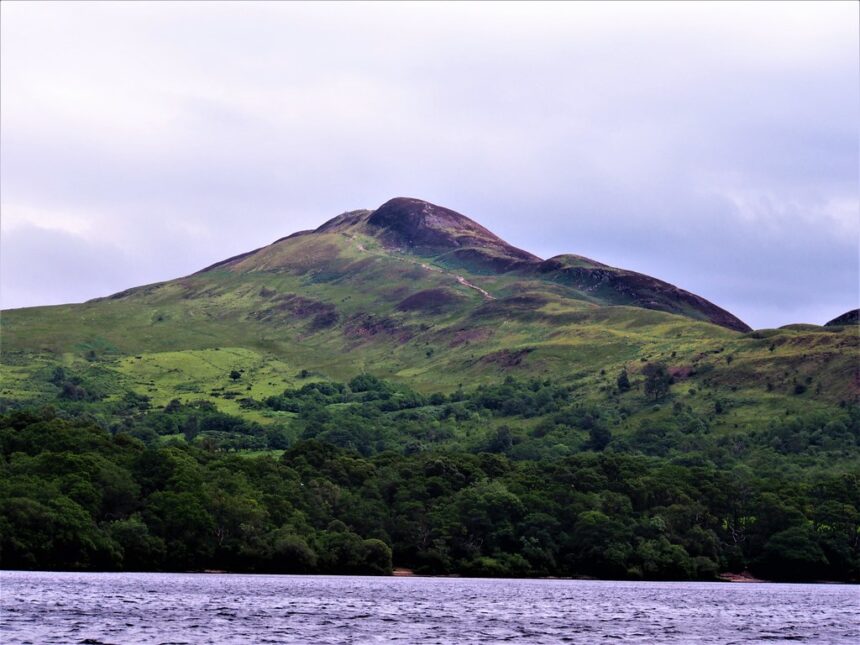
Conic Hill, an important geological feature.
Information on Loch Lomond-Part 2
410 m years ago (Silurian Period): Scotland united with England and Wales at a position close to/connected with North America. The ‘join’ between England and Scotland is parallel with Hadrian’s Wall. The physical act of joining England and Scotland created a high mountain range, possibly comparable with today’s Himalayas.However, this range has since been substantially eroded. At time of the join the lands were located about 10 degrees south of the equator. Prior to the joining the land which became Scotland was a series of terranes. These features subsequently joined together to form a single land mass. The Highland Boundary fault featuring Conic Hill at Loch Lomond is an example of a terrane boundary.

Ross Dhu, an 18th century mansion and now seat of the Chief of Clan Colquhoun.


Aldochlay, a village near Luss.


Luss, a heritage village on banks of Loch Lomond. About 750, 000 persons visit each year.

Beinn Dubh ( ‘Black Mountain’) on western side of Loch Lomond.


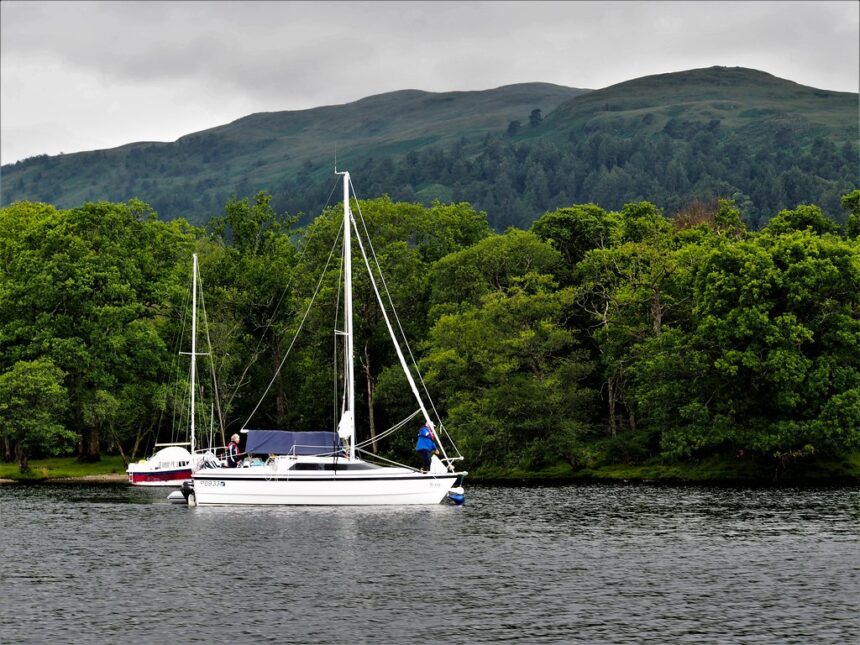
Sail Boat on Loch Lomond
More information
For more information on Loch Lomond and many other aspects of touring Scotland please refer Visitors’ Guide to Scotland, ISBN 978-1-9161332-0-4. This publication is also available via Kindle.