The Isle of Skye is one of Scotland’s top visitor sites offering a wide range of stunning views, history, castles, wildlife and activities.

The name Skye is derived from Gaelic and means ‘winged’ or ‘divided’ isle.
Visiting Isle of Skye
Skye, together with some smaller islands of the Inner Hebrides, is relatively remote and located off the North-West coast of Scotland. Access is usually via the Skye Bridge or the ferry from Mallaig on the mainland.There is a strong Gaelic and Scandinavian (Viking) influence on the history and place names.

Principal places and landscapes on Isle of Skye
Armadale Castle & Gardens
The castle is a ruin but close by is the well presented Museum of the Isles which covers 1500 years of island history with focus on Clan Donald, Lord of the Isles. There is also a family history research centre. The gardens extend to 40 acres. Nature trails take visitors into the mixed woodlands.

Isleornsay
A former fishing port which now consists of hotel, pub, art gallery, Gaelic whisky outlet, clothing shop and other accommodation. Superb views and photo opportunities.

Broadford
A village on south of the island with wide bay and art and craft shops.

Sligachan
A popular stop offering stunning views of the Black Cuillin Mountains and fast flowing, River Sligachan. Close by is a hotel and camp site.

Portree
Portrtee is the principal town on the Isle of Skye, offering a wide range of shops and accommodation combined with views of the harbour and the pastel coloured properties.

Trotternish Landscape
Here, the stunning geology in the north includes the Old Man of Storr, Quaraing, Needle and Prison.
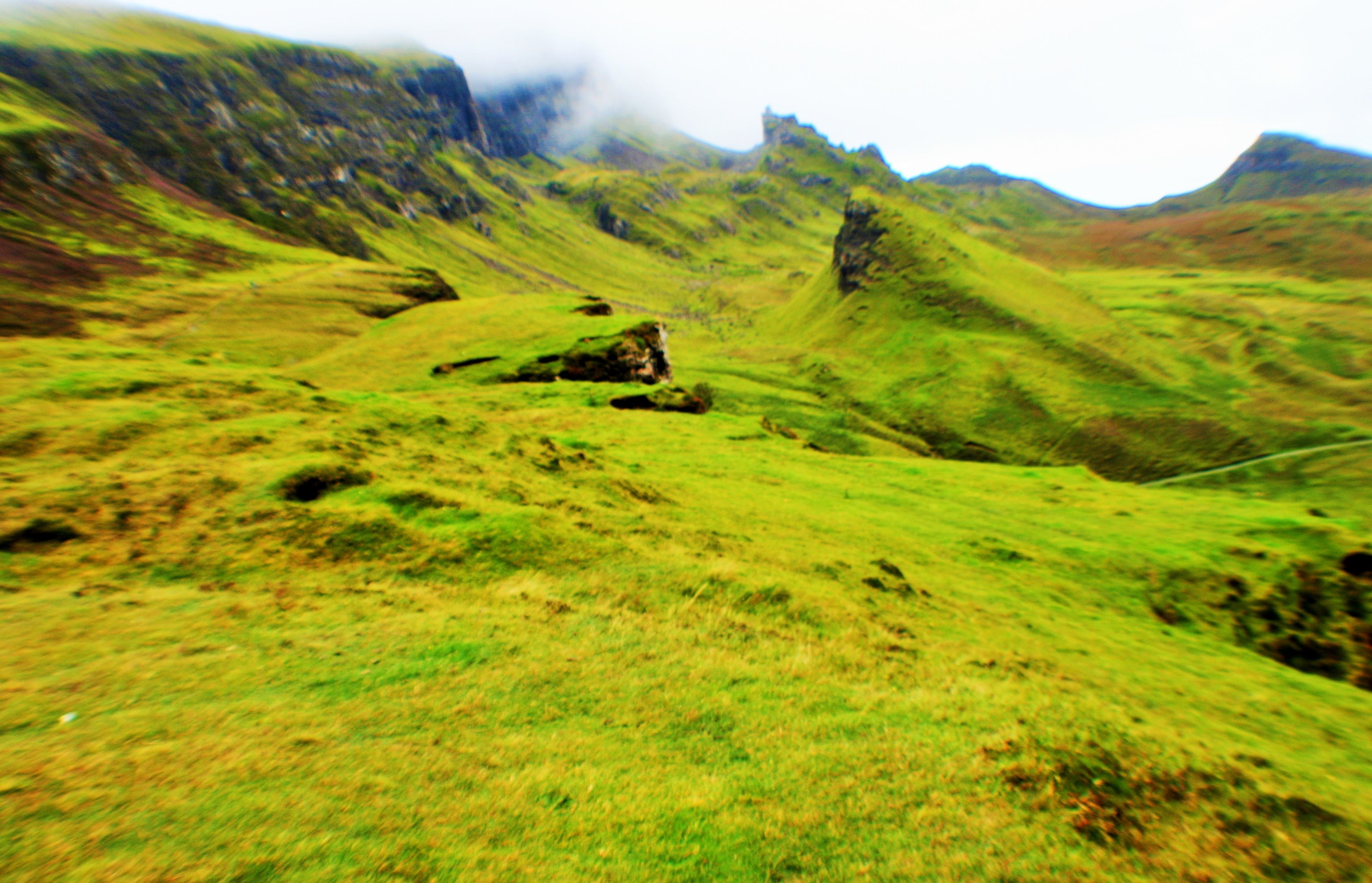
Other sites in the north of Skye
Lealt Falls.
Mealt Falls and Kilt Rock: A popular stop which offers good photo opportunities benfiting from the local geology and a waterfall.

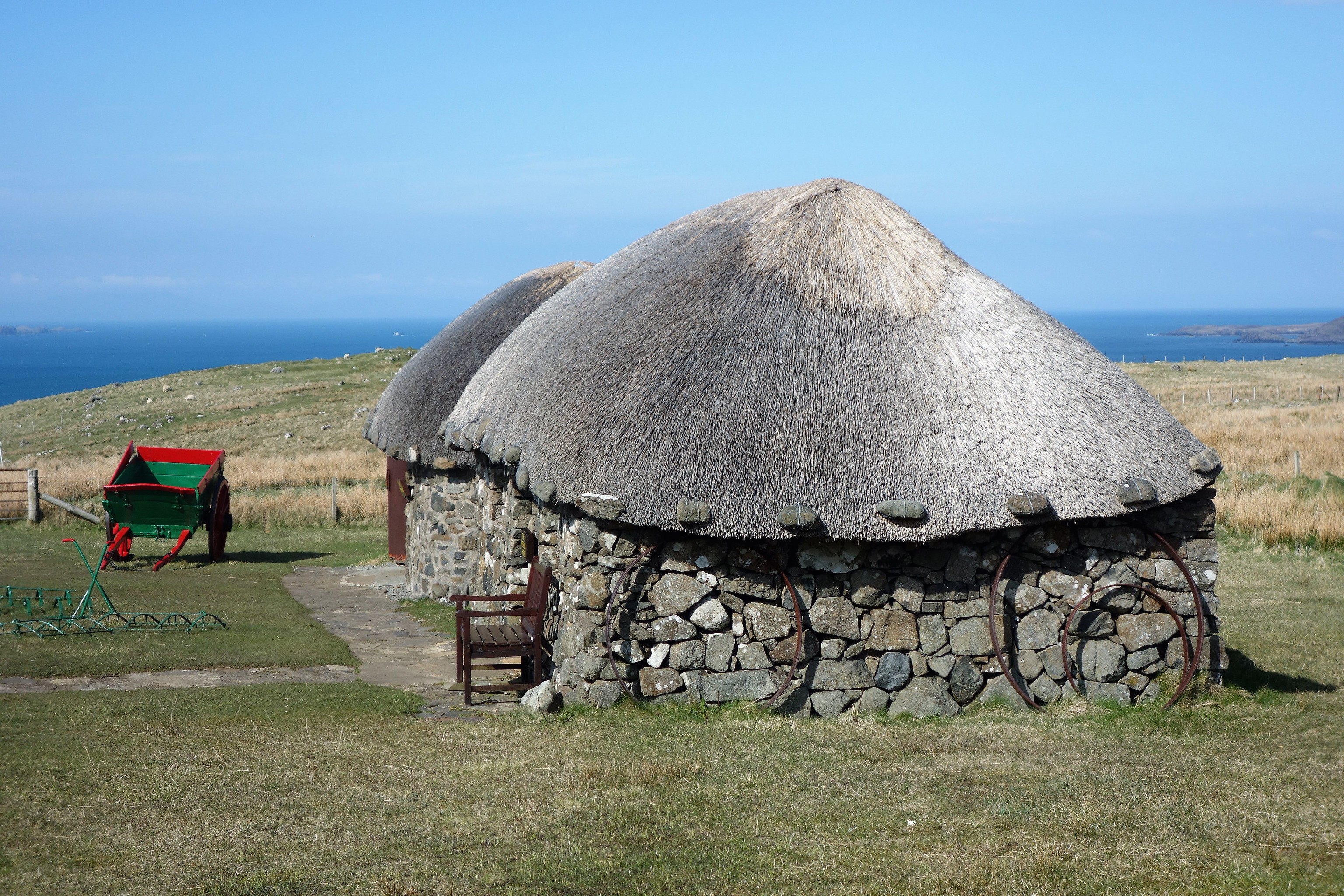
Museum of Island Life at Kilmuir.
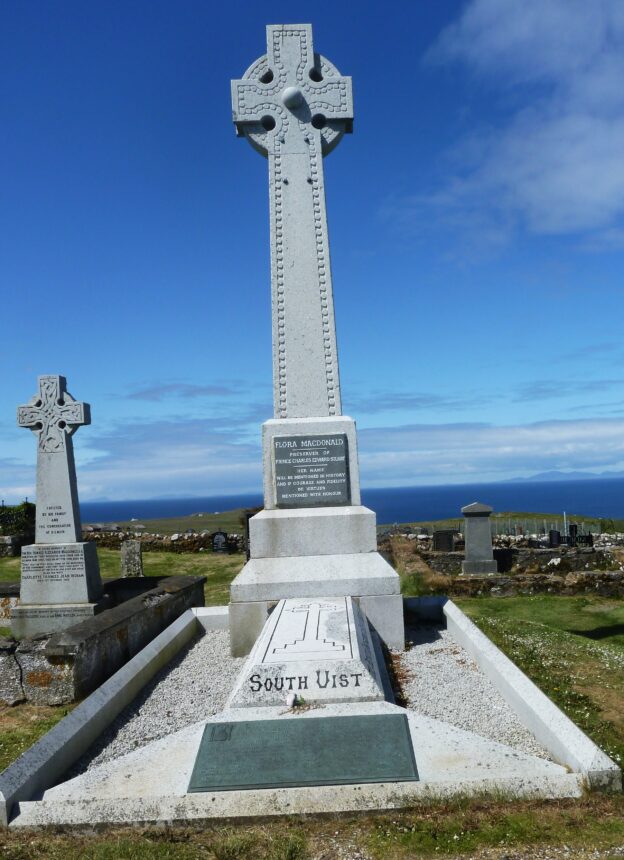
Flora MacDonald’s memorial at Kilmuir.
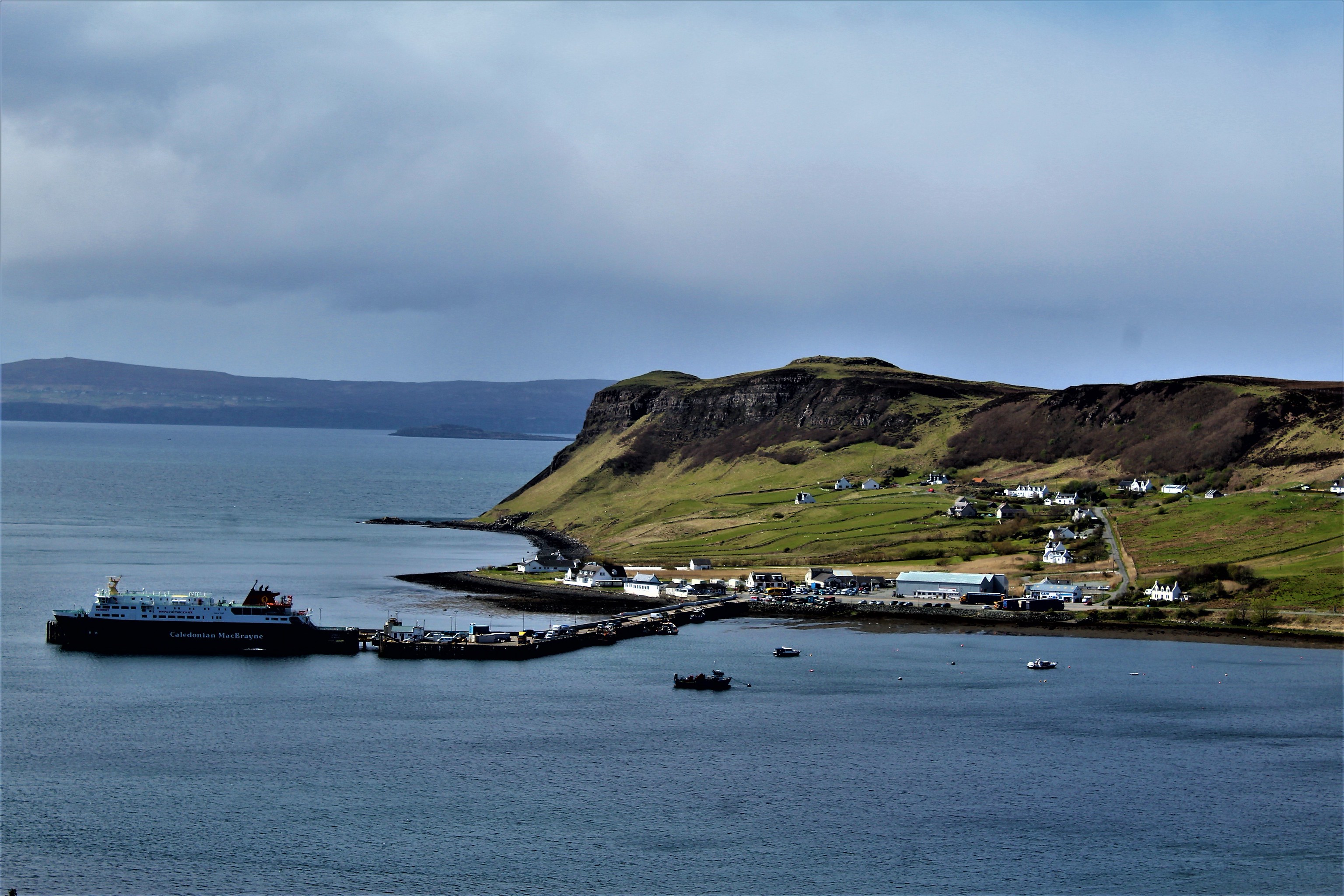
Uig Bay: Located in the north of Skye. From here are ferry connections to the Outer Hebrides. Also, eateries, pottery and a brewery.
Fairy Glen: A slightly bizarre small valley (glen) populated with small conical hills.

Waternish Region (N.W. Skye)
Dunvegan Castle: An ancient fortress which is home to the Chief of Clan MacLeod. Also, a well maintained highland garden together with seal spotting boat trips (in season).

Dun Beag broch: Remains of a high status dwelling from the iron-age.

Talisker Distillery: A popular, single malt whisky which is mildly peated. Tours of the distillery are available.

Fresh oysters at the Oyster Shed near Talisker Distillery.

Waternish and Trumpan Church. Latter was site of a major conflict in 16th century between the MacLeods and MacDonalds.

Fairy Pools: This popular site is a short distance from Talisker Distillery.

Minginish Region
Elgol: This is a small crofting and fishing village accessed by a scenic but winding and narrow single track road. Offers views of the Cuillin Mountains, Loch Scaivaig and Soay (island).

Kyle Akin, eastern Skye
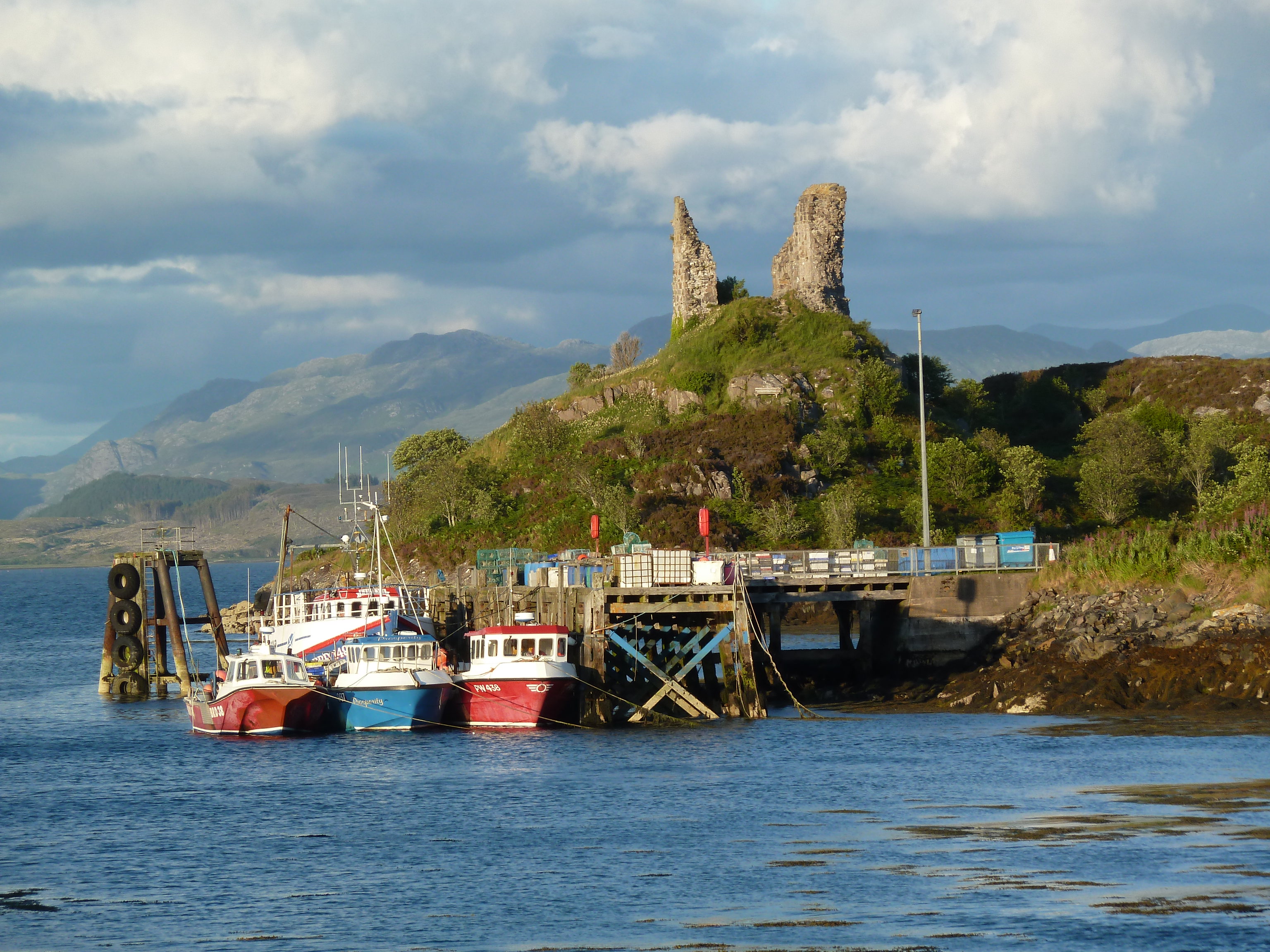
Kyleakin: This shore side village offers views of the ruined castle.
Isle of Skye is popular with:
Hikers and climbers who navigate the hills and mountains including famous Cuillins.
Artists and photographers who utilise the scenery and ever-changing light conditions. There are gallery and studio trails to allow visitors to connect with the many local artists and crafts people.

Students of archaeology: Skye has been occupied for about 9000 years leaving behind a legacy of chambered cairns, stone circles, brochs, duns, hut circles and other features such as the souterrain at Kilmuir. Near Torrin is the High Pasture Cave which was occupied during the Iron Age.
Birdwatchers: Skye has a rich bird life with sightings of eagles, owls, puffins, merlins, shelducks and much more.

Students of geology: Skye has a volcanic heritage and is home to rocks dating back more than 450m years.

Gourmets: The famous Three Chimneys restaurant ranks as one of Scotland’s top eateries. Creelers in Broadford is well known for its seafood.
More information on Isle of Skye
For more information on Skye, other islands and Scotland in general please refer Visitors’ Guide to Scotland, ISBN 978-1-9161332-0-4.This publication is also available via Kindle.